Michelin CrossClimate Tyres – Which One Should You Buy?
Michelin CrossClimate 2, 2 SUV, CrossClimate+ and CrossClimate 3 compared: how they differ, how they test, how long they last and who needs one.
Updated 20 November 2026 · 11 min read · By FindMechanic
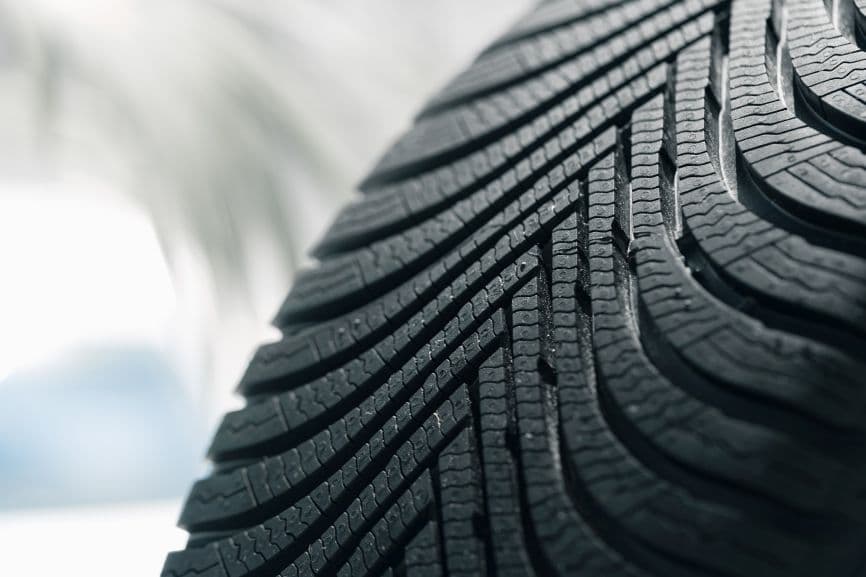
Need a tyre shop in London?
Compare tyre shops near you by Google rating and number of reviews, then call them direct. Free, no sign-up.
If you’ve been reading about all-season tyres, CrossClimate is probably the name that keeps coming up. Michelin helped make the idea of using one tyre through a typical British year much more mainstream, and its CrossClimate range is still one of the benchmarks other all-seasons get compared with.
There are several versions now, though, and the names don’t make the differences obvious. You’ve got CrossClimate 2, CrossClimate 2 SUV, CrossClimate+, the original CrossClimate, plus the newer CrossClimate 3 and CrossClimate 3 Sport.
For most UK drivers buying today, the CrossClimate 2 is still the one to start with. The 3 is newer, but the 2 has years of independent testing behind it, established availability and can make more sense if the price is lower.
Here’s how they actually differ.
What is the Michelin CrossClimate range?
CrossClimate is Michelin’s all-season tyre family, designed to give drivers usable dry, wet and winter performance without swapping between summer and winter tyres every year.
The important bit is the winter certification.
According to Michelin, CrossClimate tyres carry the Three Peak Mountain Snowflake, or 3PMSF, marking. That means they have met the required snow-performance threshold for that certification. Michelin also states that its CrossClimate range complies with relevant local winter-tyre legislation where the 3PMSF marking is required.
That does not make a CrossClimate identical to a dedicated winter tyre. It’s still an all-season product designed to work across a much wider temperature and weather range.
For many drivers in London and the wider South East, that’s exactly the appeal. If you’re still deciding whether the whole category makes sense, read our guide to whether all-season tyres are worth it in the UK.
The models, and what separates them
The easiest way to understand the range is by generation and intended vehicle type.
| Model | Best for | Key difference |
|---|---|---|
| CrossClimate 2 | Most everyday cars | Established premium all-season with extensive test history |
| CrossClimate 2 SUV | SUVs and crossovers | Dedicated SUV range with suitable SUV fitments |
| CrossClimate+ | Drivers finding a worthwhile deal | Previous-generation model |
| Original CrossClimate | Older compatible fitments | First generation of the range |
| CrossClimate 3 | Drivers wanting the newest mainstream model | Newer successor to CrossClimate 2 |
| CrossClimate 3 Sport | Performance-focused cars | Sharper handling and braking focus |
Michelin CrossClimate 2
The CrossClimate 2 is still the obvious starting point for most buyers.
It’s the established mainstream model and has one major advantage over a tyre that has only just launched: evidence.
Tyre Reviews currently lists dozens of independent CrossClimate 2 tests. Across those tests, the recurring strengths are snow performance, dry braking, efficiency and generally good wear.
Its relative weakness is wet performance. It isn’t a bad wet-weather tyre, but several group tests have placed it behind the strongest competitors for wet handling, wet braking or both.
For somebody who wants one premium tyre throughout the year, particularly with useful snow capability, it’s still a very convincing package.
Michelin CrossClimate 2 SUV
The CrossClimate 2 SUV is intended specifically for SUV applications.
It isn’t simply a passenger-car CrossClimate 2 with “SUV” printed on the side. Michelin markets it as a dedicated SUV version, with fitments designed around the requirements of this part of the market.
That doesn’t mean every crossover automatically needs one. Your actual tyre size, load index and speed rating matter more than the badge on the boot.
Check the specification required by the vehicle before choosing between ranges.
Michelin CrossClimate+
The CrossClimate+ is the previous generation.
Its biggest attraction now is value. If it’s still available in your required specification and costs meaningfully less than CrossClimate 2, it can be worth considering.
Older doesn’t automatically mean bad. A tyre doesn’t lose the performance it had simply because a replacement has launched.
If the price difference is small, the newer CrossClimate 2 is normally the better pick. If the saving is substantial, CrossClimate+ becomes a more interesting proposition.
Original Michelin CrossClimate
The original CrossClimate started the family.
You may still encounter it in certain older fitments. For a new purchase, compare its price directly against CrossClimate+ and CrossClimate 2 rather than choosing it on the name alone.
If one of the newer generations is available for similar money, that’s usually the place to look first.
Michelin CrossClimate 3
CrossClimate 3 is the newer mainstream generation and the replacement for CrossClimate 2.
Michelin says it has developed the newer tyre to improve areas including wet braking, longevity and energy efficiency. Those are manufacturer claims based partly on testing commissioned by Michelin, so they shouldn’t be confused with an independent verdict.
Independent testing is now starting to build a clearer picture.
Results collected by Tyre Reviews show CrossClimate 3 performing particularly strongly on snow, comfort and efficiency. Its wet and dry dynamic performance has been more mixed against the strongest current rivals.
That matters because it shows why “newer” doesn’t automatically make CrossClimate 2 obsolete.
Michelin CrossClimate 3 Sport
CrossClimate 3 Sport takes the newer family in a more performance-focused direction.
Michelin positions it for higher-performance vehicles, with more emphasis on steering response and handling. Independent tests support that distinction.
Recent Tyre Reviews data shows strong dry performance and competitive wet braking and handling in several tests, alongside good snow capability for a performance-oriented all-season. Some tests have, however, exposed weaker aquaplaning resistance relative to the best competitors.
So it isn’t simply “CrossClimate 3 but better”. The standard 3 is more touring and winter focused, while the Sport version gives up some of that emphasis in pursuit of sharper road behaviour.
From FindMechanic's listings
Top-rated tyre shops in London
Ranked by Google rating weighted by the number of reviews. Featured listings are labelled.


CrossClimate 2 vs CrossClimate 3
This is probably the most useful comparison if you’re buying now.
CrossClimate 3 is the newer tyre. CrossClimate 2 is the established one.
Current independent testing suggests the 3 continues Michelin’s traditional strength in snow while putting considerable emphasis on comfort and efficiency. But it hasn’t suddenly created a huge performance gap over CrossClimate 2 in every condition.
CrossClimate 2 currently has a much deeper independent test record. Its strengths and weaknesses are well understood after years of comparisons across different sizes and vehicles.
That gives the older model a practical advantage.
If both tyres are available in your exact specification and cost almost the same, choosing the newer CrossClimate 3 is perfectly reasonable.
If the CrossClimate 2 is noticeably cheaper, it’s still the sensible choice for many everyday UK cars. You’re getting a thoroughly tested premium all-season with strong snow capability, good dry braking and a good record for wear.
That’s common when premium tyre generations change. The replacement gets the newest development work, while the outgoing model often becomes particularly attractive on value.
The 3 is the newer tyre. The 2 is still the one most buyers should compare against the price first.

How do Michelin CrossClimate tyres perform?
Manufacturer brochures can tell you what a tyre was designed to do. Independent tests are more useful for seeing where it actually sits against rivals.
Tyre Reviews currently brings together results from dozens of independent CrossClimate tests.
Wet braking and handling
Wet performance is the area where CrossClimate 2 has most often given ground to newer rivals.
Several independent tests have placed its wet braking or handling in the middle or lower half of competitive premium groups, even when the tyre performs extremely well elsewhere.
That doesn’t make it unsafe. It means wet grip isn’t the category in which CrossClimate 2 most consistently leads.
The newer CrossClimate 3 also has mixed independent results in this area so far, while CrossClimate 3 Sport has produced stronger wet dynamic results in several tests.
Snow capability
Snow remains one of the range’s major strengths.
CrossClimate 2 repeatedly performs near the front of all-season tests for snow braking, traction and handling. CrossClimate 3’s early test record also shows particularly strong winter performance.
For occasional UK snow, that’s a major advantage over an ordinary summer tyre.
It still doesn’t make either tyre a direct replacement for a specialist winter tyre in severe conditions. If snow and prolonged cold are a normal part of your driving rather than an occasional event, read our guide to whether you actually need winter tyres in the UK.
Dry performance
CrossClimate 2 has traditionally performed well under dry braking, although its steering and handling aren’t intended to mimic a dedicated performance summer tyre.
CrossClimate 3 is more comfort oriented in the independent tests so far.
Drivers wanting something sharper should be looking more closely at CrossClimate 3 Sport, which has shown much stronger dry handling ability.
Tread life
Wear is one of CrossClimate 2’s stronger points.
Current Tyre Reviews data, combining professional wear tests and owner information, estimates CrossClimate 2 life at around 30,000 miles on average. Individual professional test projections have varied considerably by tyre size and test, which is exactly why treating one mileage figure as a promise would be misleading.
Noise and comfort
CrossClimate 2 generally performs respectably for comfort and noise, but this can vary significantly between cars and sizes.
CrossClimate 3 appears to put even more emphasis on refinement, with comfort and noise scoring strongly in recent independent testing.
What are the downsides of Michelin CrossClimate 2?
CrossClimate 2 is a good tyre. It still has compromises.
The first is price. It’s a premium all-season, so it will normally cost more than a comparable mainstream summer tyre and more than many mid-range all-season alternatives.
The second is wet performance relative to the newest competition. Independent testing shows that wet braking and handling are not always as strong as its snow or dry braking results.
Third, it’s still an all-season tyre. Drivers chasing maximum warm-weather handling can do better with a dedicated summer performance tyre. Drivers regularly facing sustained severe winter conditions may be better served by proper winter tyres.
Owner reviews also include reports of increased road noise on some cars and weaker wet-road confidence as the tyres wear. Those reports are worth acknowledging, but they shouldn’t be presented as universal faults. Vehicle type, tyre size, road surface, inflation pressure and wear all affect how a tyre behaves.
There isn’t evidence of one widespread defect that defines the CrossClimate 2. The more meaningful “problem” is choosing it for the wrong job.
How long do Michelin CrossClimate tyres last?
CrossClimate 2 has a good reputation for mileage, but no fitter can honestly promise how many miles you’ll get from a set.
Tyre Reviews currently estimates expected mileage at roughly 30,000 miles, based on aggregated professional test and owner data.
The professional tests feeding into that estimate have produced projections ranging from roughly the mid-20,000s to high-30,000s depending on size and test conditions.
That’s a more useful way to look at lifespan than claiming every CrossClimate will do 30,000 miles.
Actual wear depends heavily on:
- driving style
- vehicle weight
- tyre pressures
- wheel alignment
- suspension condition
- motorway versus urban use
- tyre size and load
- how regularly the tyres are checked
A heavy SUV doing short urban journeys can wear a set very differently from a lighter car covering steady motorway miles.
Don’t decide replacement based on mileage alone. Check the actual tyre condition and how to check your tread depth regularly. TyreSafe also explains how to measure tread and the UK legal minimum of 1.6mm across the central three-quarters of the tread around its entire circumference.
What do Michelin CrossClimate tyres cost?
There’s no meaningful single CrossClimate 2 price.
A common hatchback size can cost dramatically less than a large, high-load SUV fitment. Speed rating, load rating, wheel diameter and availability all affect what you’ll actually pay.
What you can say confidently is that CrossClimate sits in the premium part of the market.
CrossClimate+ may sometimes cost less where remaining stock exists in a particular fitment. That can make the older model worth considering, provided it’s the correct specification for the car.
Rather than using a generic online price as your budget, get a quote for your registration or exact tyre size. That tells you what actually fits your vehicle.
Is a CrossClimate worth it, or would something cheaper do?
Not everybody needs the Michelin.
If you cover substantial annual mileage, spend plenty of time on motorways or fast A-roads and want one tyre to cope with British weather throughout the year, paying for a premium all-season can make sense.
CrossClimate 2’s combination of winter ability, dry braking and wear is particularly convincing for that type of driver.
If you cover 5,000 or 6,000 mainly local miles each year, spending CrossClimate money is harder to justify automatically.
A good mid-range all-season may give you everything you actually need.
The Nexen N’blue 4Season is an obvious example. For modest mileage and normal local driving, saving money here can be perfectly sensible.
The Continental AllSeasonContact is another premium alternative if you want to compare brands rather than assume Michelin has to be the answer.
Spend according to the driving you actually do, not the badge you think you’re supposed to buy. Our guide to what you actually get for the money at each tier goes into that choice in more detail.
FAQs
Is the Michelin CrossClimate 2 a winter tyre?
No. CrossClimate 2 is an all-season tyre with 3PMSF snow certification. That means it has met a defined snow-performance standard, but it’s still designed to work throughout the year. Drivers regularly facing severe snow, ice and prolonged winter conditions may be better served by dedicated winter tyres.
What’s the difference between CrossClimate 2 and CrossClimate 3?
CrossClimate 3 is the newer-generation replacement for CrossClimate 2. Early independent testing shows strong snow performance, comfort and efficiency, while CrossClimate 2 has a much larger body of independent test results behind it. If the 2 is meaningfully cheaper in your size, it remains a very strong value option.
How long do Michelin CrossClimate tyres last?
Current aggregated CrossClimate 2 data points to roughly 30,000 miles as a useful central estimate, but individual professional wear projections vary from around the mid-20,000s into the high-30,000s. Your actual result depends on vehicle weight, driving style, alignment, pressures, roads and tyre specification.
Are CrossClimate tyres good in snow?
Yes, by all-season standards. CrossClimate 2 has repeatedly performed strongly in independent snow braking, traction and handling tests, while CrossClimate 3 has also shown excellent snow performance in early testing. They’re well suited to occasional winter conditions, but shouldn’t be treated as identical to dedicated winter tyres in severe snow.
Is the CrossClimate 2 worth the extra money?
For higher-mileage drivers wanting one premium tyre all year, it often is. Strong snow performance, dry braking and generally good wear help justify the premium. Somebody covering modest local mileage may get better value from a decent mid-range all-season such as the Nexen N’blue 4Season.
What’s the difference between CrossClimate 2 and CrossClimate 2 SUV?
CrossClimate 2 SUV is Michelin’s dedicated all-season range for SUV applications, while CrossClimate 2 covers mainstream passenger-car fitments. The correct tyre depends on the exact size, load index and speed rating specified for your vehicle, so don’t choose purely because your car is marketed as an SUV or crossover.
Tyre and wheel offers from London garages
All offers →From the garages' own websites. Check with the garage before you book.
OfferEnds 30 November 2026
£20 off two or £40 off four Continental tyres
Bought on their website
Code
CONTI20 / CONTI40Arrow Tyres LtdHornchurch, Havering · 4.9 ★ (177 Google reviews)
OfferSeen 18 November 2026
10% off wheel alignment with two or more new tyres
R&T TyresSouth Croydon, Croydon · 4.9 ★ (1113 Google reviews)
OfferSeen 18 November 2026
Laser wheel alignment £38 instead of £48 with motorcycle tyres fitted
Feltham Tyre CentreFeltham, Hounslow · 4.6 ★ (752 Google reviews)
Find tyre shops in London
Tyre shops and mobile tyre fitters across 13 London boroughs, ranked by Google rating weighted by the number of reviews.
More on choosing tyres
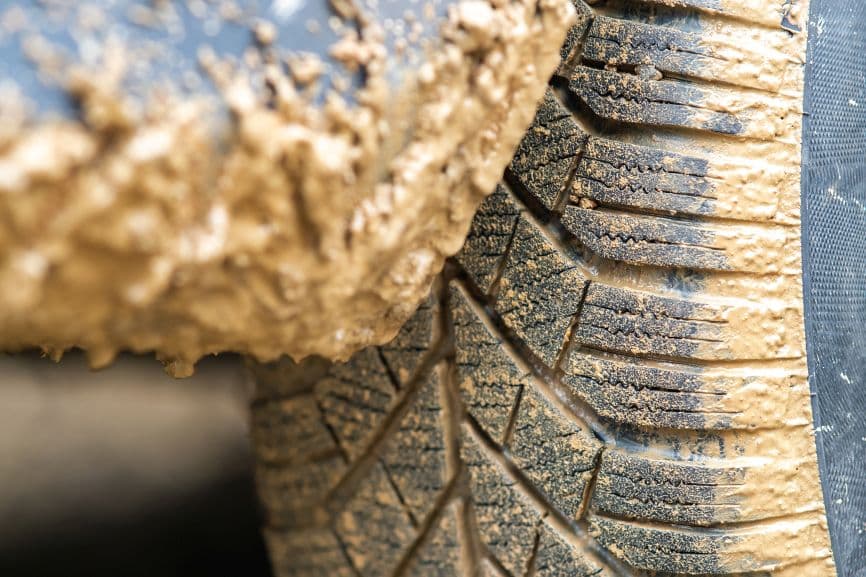 All-Season Tyres in the UK – Are They Actually Worth It?Are all-season tyres worth it in the UK? How to spot a genuine 3PMSF tyre, what you give up against summer and winter tyres, and who they suit.11 min read
 Best Budget Tyre Brands in the UK – Which Ones Are Actually Worth Buying?Which budget tyre brands are worth buying in the UK? Matador, Riken, Roadstone and other value brands compared, what you give up and how long they last.10 min read
 Budget Tyres to Avoid – What Actually Makes a Cheap Tyre a Bad BuyWhat makes a cheap tyre a bad buy? The warning signs to check first: untraceable brands, old stock, wrong ratings, missing markings and dodgy part worns.9 min read
 Budget vs Mid-Range vs Premium Tyres – What Are You Actually Paying For?Budget, mid-range or premium tyres? What the extra money buys, the wet braking gap, cost per mile, and which tier suits the way you drive.9 min read
General guidance, not a diagnosis. If you're not sure your car is safe to drive, get it checked before you go anywhere. All guides